
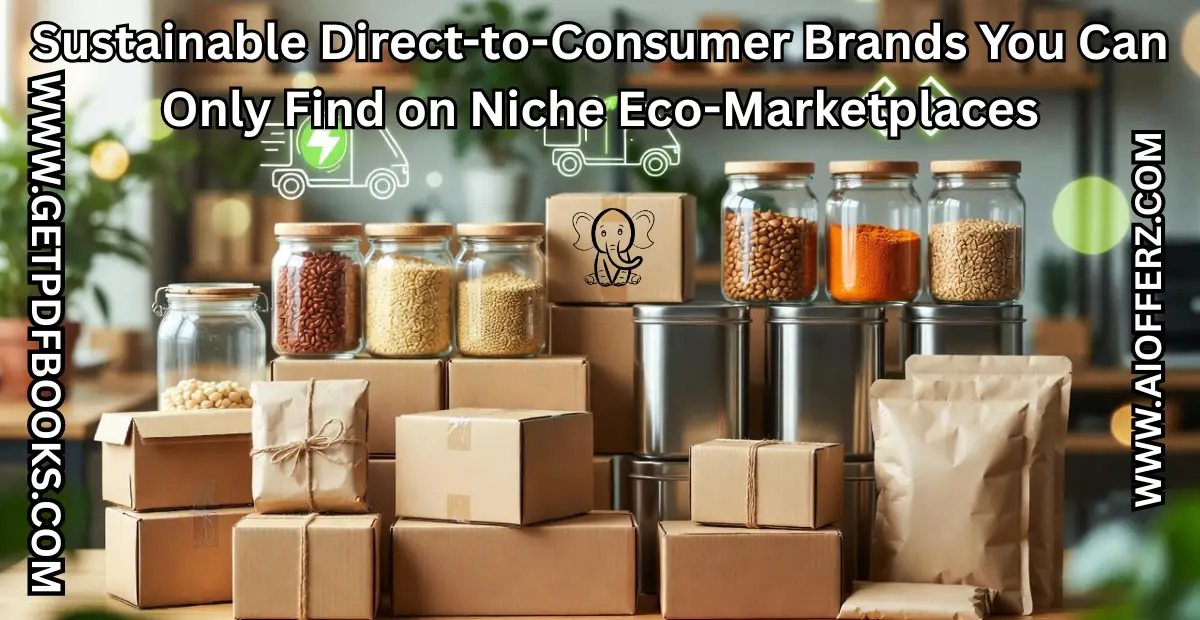
In this post we will learn about Sustainable Direct to Consumer Brands You Can Only Find on Niche Eco-Marketplaces.
Over the past decade, sustainability has shifted from a lifestyle trend into a mainstream consumer expectation. In 2025, shoppers in the United States are more conscious than ever about the environmental footprint of the products they bring into their homes.
This shift has opened up a new era of ethical consumption one in which consumers look beyond big retailers and instead explore smaller, purpose driven businesses that align with their values.
The direct to consumer (DTC) model has played a critical role in this movement. It empowers small brands to bypass traditional retail chains, reduce costs and engage customers with full transparency.
However while some sustainable DTC brands have gained widespread attention, many innovative and deeply impactful ones remain tucked away within niche eco marketplaces platforms created specifically to champion transparency, fair trade sourcing, zero waste operations and low carbon production.
This long form review explores the world of sustainable DTC brands that consumers can only discover on specialized eco marketplaces in 2025.
These brands do not appear on major platforms or traditional online stores instead, they thrive within curated, ethical digital spaces where sustainability is not a marketing slogan it is a requirement.
This article dives deep into their stories, missions, materials, innovations and the eco marketplaces that bring them to life, offering readers an in depth understanding of how these small but powerful brands are shaping the future of sustainable consumption.
Are You Ready To Get Paid To Review Apps On Your Phone Then Try It…
The Rise of Niche Eco-Marketplaces in 2025
Before exploring the brands themselves, it is important to understand the role of niche eco marketplaces. These platforms emerged as a reaction to greenwashing and lack of transparency in mainstream retail channels.
While big platforms carry a mix of sustainable and non sustainable products, eco marketplaces maintain strict vetting processes, ensuring that every brand they carry aligns with environmental responsibility and ethical production.
By 2025, these marketplaces have become trusted destinations for conscious consumers because:
- They demand full supply chain transparency
- They work with artisans, small batch creators and ethical manufacturers
- They refuse to list products with questionable materials or unsustainable packaging
- They highlight detailed sustainability metrics for every product
- They support circular economy models such as repair, refill, reuse and return programs
Eco-marketplaces like EarthNest Marketplace, KindNest Goods, TerraCasa Collective, EcoLiving Hub, Sustainably Yours Market, GreenHarbor Home and ReLoop Market have gained loyal followings.
These digital spaces are not simply online stores they are ecosystems that bring together artisans, independent creators, eco engineers, green innovators and mindful shoppers who care about the planet.
Within these niche marketplaces lie extraordinary DTC brands you can’t find anywhere else.
Why Many Sustainable DTC Brands Stay Exclusive to Niche Platforms
Many ethical brands intentionally avoid mass retail distribution. Their reasons include:
1. Commitment to Small-Batch Production
Sustainable creators often produce in limited quantities to reduce excess inventory and waste. Large retailers demand huge volumes which conflict with their eco values.
2. Avoiding Mass-Market Pressure
Mainstream platforms often push for lower prices, faster production and trend based cycles. Ethical brands prefer slower, thoughtful production schedules.
3. Staying True to Their Values
Some brands refuse to compromise on materials whether that means sticking to regenerative fabrics, recycled metals or non toxic natural dyes choices that bigger retailers sometimes overlook.
4. Building Values-Driven Communities
Eco marketplaces create communities built on shared ethics, offering a better environment for brands whose missions go deeper than profit.
5. Transparency Requirements
Niche platforms showcase sustainability metrics and lifecycle information that general retailers do not provide, making them ideal for transparency first brands.
For these reasons, dozens of sustainable DTC innovators thrive exclusively within eco marketplaces and 2025 has brought remarkable growth to this quiet sector.
In this post we are learning about Sustainable Direct to Consumer Brands You Can Only Find on Niche Eco-Marketplaces.
Sustainable Direct-to-Consumer Brands You Can Only Find on Niche Eco-Marketplaces (2025 Edition)
The following are some of the most impactful and innovative sustainable DTC brands available only through eco marketplaces. They remain relatively hidden gems too mission driven for mainstream retail, yet powerful enough to influence the future of sustainable living.
1. Verdant Loom Atelier – (Exclusive to TerraCasa Collective)
Verdant Loom Atelier is a regenerative textile brand that specializes in organic fibers responsibly harvested from U.S. micro farms. Its handcrafted blankets, throws, cushion covers and textiles are dyed naturally with plant pigments.
Verdant Loom works directly with small farming collectives that cultivate organic cotton, hemp, bamboo and flax using no pesticides, minimal water and restorative farming techniques.
Their exclusivity is intentional: the brand only releases around 20–30 pieces per collection. Each item is slow woven on traditional looms operated by U.S. artisans, making every piece a durable heirloom.
How to Start a Blog in 2025: A Step-by-Step Guide for Beginners
Why It’s Exclusive
Their small batch ethos, regenerative sourcing and handcrafted approach do not align with high volume retail environments. TerraCasa Collective, known for artisan-first sustainability, is the only marketplace that meets their criteria.
2. ReBalt Woodworks – (Exclusive to GreenHarbor Home)
ReBalt Woodworks specializes in luxury furniture crafted solely from reclaimed wood sourced from demolished barns, old railways and unused home structures across the U.S. Each piece tells a story, preserved through visible grain marks, natural textures and a minimalist design philosophy.
The brand commitment to eliminating deforestation and promoting upcycled lumber has earned it serious admiration among environmentally conscious homeowners.
Why It’s Exclusive
Mainstream retailers require uniformity and standardized designs which ReBalt refuses. Their pieces are one of a kind and produced with zero chemical finishes, qualities that fit perfectly in GreenHarbor Home curated, low carbon furniture marketplace.
3. PureHive Naturals – (Exclusive to EcoLiving Hub)
PureHive Naturals creates household cleaning formulas made entirely from natural enzymes, organic citrus oils, botanical extracts and biodegradable ingredients.
The brand is known for its refill only system where customers receive reusable glass bottles and simply order concentrated eco pods.
PureHive eliminates plastic entirely down to the seals, packaging, labels and shipping materials.
Why It’s Exclusive
The brand refuses to sell in any marketplace that does not enforce zero plastic shipping standards. EcoLiving Hub verified zero waste program provides the perfect environment for PureHive mission.
4. SunStone Earthenware Studio – (Exclusive to TerraCasa Collective)
SunStone Earthenware is a studio run by ceramic artisans specializing in hand thrown pottery, dinnerware and functional art using low impact glazes and locally sourced clay.
Their pieces are known for earthy textures, matte finishes and minimalist modern forms.
Each creation is fired using energy efficient kilns powered partly by solar energy an innovative breakthrough in ceramic sustainability.
Why It’s Exclusive
The studio works with limited seasonal clay batches and small production runs. They also require marketplace partners to display artisan profiles and sustainability metrics, something TerraCasa excels at.
5. EarthMind AromaCraft – (Exclusive to Sustainably Yours Market)
EarthMind specializes in natural home fragrances, wax melts, diffusers and essential oils crafted from organic plant extracts. Unlike mainstream fragrance brands, they avoid synthetic scents, paraffin wax, chemical stabilizers and petroleum derivatives.
Their packaging is fully compostable and they operate through low-energy micro-distillation units.
Why It’s Exclusive
The brand insists on selling only through marketplaces that guarantee plastic free operations and biodegradable packaging requirements. Sustainably Yours Market provides that commitment.
In this post we are learning about Sustainable Direct to Consumer Brands You Can Only Find on Niche Eco-Marketplaces.
6. The Leaf & Loom Collective – (Exclusive to EarthNest Marketplace)
The Leaf & Loom Collective creates ethically sourced home décor pieces such as table runners, placemats, wall art and handwoven baskets.
The brand collaborates with indigenous weaving communities across South America, Africa and rural Asia, ensuring fair trade certifications and community revenue sharing.
Their pieces highlight ancestral craftsmanship, organic materials such as sisal, jute, palm fibers and banana bark and dyes made from roots, bark, ash and mineral pigments.
Why It’s Exclusive
Mainstream retailers often fail to provide proper transparency around artisan compensation. EarthNest Marketplace, known for strict ethical standards, guarantees full visibility, making it the brand only chosen partner.
7. NurtureNest Kids – (Exclusive to LoopKids Exchange + EcoLiving Hub)
NurtureNest Kids creates organic cotton children clothing, toxin free toys, natural fiber blankets and plant based baby care products. Everything the brand sells is hypoallergenic and made exclusively from low impact materials.
They also operate a circular program where customers can send back gently used items for credit items that then appear on LoopKids Exchange.
Why It’s Exclusive
The brand insists on strict child safety certifications, toxin free materials and circular economy logistics that only certain eco marketplaces support.
8. ReCraft Tool Studio – (Exclusive to GearSecond Wind)
ReCraft is a DTC brand dedicated to refurbished tools and workshop essentials. Their engineers source broken, discarded or defective tools, restore them to working condition and upgrade them using energy efficient components.
ReCraft mission is to keep metal scrap out of landfills and promote repair culture.
Why It’s Exclusive
Big retailers have no interest in buying refurbished, one off items. GearSecond Wind specializes exclusively in upcycled tool collections, making it the perfect home for ReCraft mission.
Are You Excited To Read about AI Then Click Here…
9. SolRoot Organics – (Exclusive to EcoLiving Hub and EarthNest Marketplace)
SolRoot Organics is a DTC brand known for its plant based kitchen essentials compostable scrubbers, natural fiber towels, biodegradable dish soaps and vegan pantry cleaners.
Their products are formulated from coconut husk, loofah fibers, sugarcane cellulose and botanical extracts.
Their strict no toxins, no dyes, plastic free policy aligns perfectly with eco focused households.
Why It’s Exclusive
The brand refuses to participate in retail ecosystems that allow synthetic chemicals, microplastics or misleading “eco friendly” labeling. EcoLiving Hub sustainability scoring system and EarthNest strict screening make them ideal partners.
10. TimberLoop Wearables – (Exclusive to KindNest Goods)
TimberLoop creates minimalist fashion accessories watches, wallets, belts and jewelry using reclaimed wood, recycled metals and natural fibers. Their products are designed for durability, repairability and long term use.
The brand also runs a “return & remake” program: customers can send back old accessories for refurbishment or re crafting.
Why It’s Exclusive
TimberLoop wants platforms that highlight craftsmanship stories and offer space for small batch creators. KindNest Goods specializes in giving indie sustainable brands the visibility they deserve.
The Impact of These Brands on the Circular Economy
These exclusive DTC brands contribute far more than eco friendly alternatives they actively strengthen the circular economy:
1. They Reduce Waste
By embracing repair, reuse, upcycling and small batch production, these brands significantly cut landfill contributions.
2. They Support Ethical Labor
Most of them collaborate with artisans, farmers and small communities, promoting fair wages and traditional craftsmanship.
3. They Lower Carbon Footprints
Local production, regenerative farming, compostable packaging and renewable energy help reduce emissions.
4. They Encourage Mindful Consumption
Their limited releases encourage buyers to think carefully about what they purchase and why.
5. They Fight Greenwashing
Eco-marketplaces require full transparency material lists, sourcing details, manufacturing impacts and carbon metrics.
6. They Empower Homegrown Innovation
From solar powered kilns to bioenzyme cleaners, these brands pioneer eco innovation that mainstream industry often neglects.
The result is a sustainable shopping ecosystem that benefits both people and the planet.
In this post we are learning about Sustainable Direct to Consumer Brands You Can Only Find on Niche Eco-Marketplaces.
How Eco-Marketplaces Help DTC Brands Thrive
Niche eco marketplaces actively support these exclusive brands through:
- verified sustainability badges
- curated storytelling
- transparent supply chain tracking
- consumer education
- values based community engagement
- circular programs like refurbish, refill and return
By offering a platform tailored to eco-focused consumers, these marketplaces ensure brands reach audiences who appreciate authenticity and environmental responsibility.
Want To Get Online Cash…
The Future of Sustainable DTC Brands Beyond 2025
Looking ahead, sustainable DTC brands will continue to shape the future of eco commerce in several ways:
1. Digital Product Passports
These will track an item materials, carbon footprint, repair history and end of life recommendations.
2. Circular Manufacturing Contracts
Manufacturers will reclaim old products, refurbish them and resell them through niche recyclers.
3. AI-Assisted Material Sorting
Technology will make recycling and upcycling more precise, enabling closed loop production systems.
4. Hyper-Local Production Hubs
Cities may see micro factories that create artisanal goods with low energy and minimal transportation.
5. Global Artisan Networks
Eco-marketplaces will expand to include more indigenous communities, helping preserve cultural craftsmanship.
6. Consumer Sustainability Scoring
Buyers will receive personalized guidance on how their shopping choices impact the planet.
Sustainable DTC brands will not become niche they will become the foundation of eco commerce in the years to come.
In this post we are learning about Sustainable Direct to Consumer Brands You Can Only Find on Niche Eco-Marketplaces.
Conclusion
“Sustainable Direct to Consumer Brands You Can Only Find on Niche Eco-Marketplaces” captures a growing movement in 2025: one where conscious shoppers seek authenticity, transparency and ecological responsibility.
These exclusive brands hidden from the mainstream offer some of the most innovative, ethical and planet friendly products available today.
They reflect a new consumer reality people want to support businesses that care deeply about the environment, the workers behind the products and the long term health of the planet.
As sustainable DTC brands and niche eco-marketplaces continue to expand, they will redefine the future of responsible consumption one small batch, one artisan, one ethical product at a time.
Are You Using Facebook, Twitter and YouTube (Get Paid To Use)
FAQs
1. What makes a direct to consumer brand “sustainable”?
A sustainable DTC brand focuses on minimizing environmental impact through responsible sourcing, low waste production, eco friendly packaging, reduced carbon footprint and ethical labor practices. They often provide transparency about materials, supply chains and overall sustainability commitments.
2. Why are niche eco marketplaces becoming more popular in 2025?
Consumers in 2025 are actively seeking verified sustainable products. Niche eco marketplaces curate only environmentally responsible brands, making it easier for conscious shoppers to trust the sourcing, materials and ethics behind every purchase.
3. How do niche marketplaces verify sustainability claims?
Most platforms use independent certifications, third party audits, carbon tracking tools or strict vendor onboarding standards that require proof of sustainability practices, such as compostable packaging or fair trade production.
4. Are DTC sustainable brands more expensive than traditional retail brands?
Sometimes but not always. Prices can be slightly higher due to ethically sourced materials, fair wages and eco friendly production methods. However, many consumers see the value in long lasting, responsibly made products.
5. Can I trust the sustainability claims made by DTC brands on these platforms?
Yes reputable eco marketplaces rely on transparent verification. Look for certifications like B Corp, Fair Trade, GOTS, FSC, OEKO TEX or internal sustainability scoring systems used by each marketplace.
6. What kind of products can I find from sustainable DTC brands?
You can find clothing, skincare, home goods, cleaning supplies, personal care essentials, electronics accessories, pet products, furniture, décor and even subscription services focused on low waste living.
7. Are there budget friendly sustainable DTC brands on niche platforms?
Absolutely Many marketplaces feature accessible brands offering affordable basics, such as refillable cleaners, organic cotton essentials, secondhand goods and smallbatch handmade products that are budget friendly.
8. How do sustainable DTC brands reduce shipping impact?
They often use carbon neutral shipping, biodegradable packaging, local fulfillment partners and minimal waste packaging. Some partner with delivery networks that offset emissions for each shipment.
9. Are niche eco marketplaces safe and reliable for online shopping?
Yes These platforms typically have strong consumer protections, verified reviews and secure payment systems. Their curated nature often means better product quality and transparency.
10. How can I support sustainable DTC brands beyond purchasing?
You can share their stories on social media, leave honest reviews, participate in recycling or take back programs, choose slower shipping options and buy mindfully to reduce your own environmental impact.
we have learnt about Sustainable Direct to Consumer Brands You Can Only Find on Niche Eco-Marketplaces.
“Live Chat Jobs – You have to try this one”
Ready to Begin?
➜ Click Here to explore top-rated affiliate programs on ClickBank!
➜ Reach Our Free Offers: “Come Here To Earn Money By Your Mobile Easily in 2025.”
Want To Read More Then Click Here…
If You Are Interested In Health And Fitness Articles Then Click Here.
If You Are Interested In Indian Share Market Articles Then Click Here.
Thanks To Visit Our Website-We Will Wait For You Come Again Soon…