
Apple is reportedly preparing one of the biggest shifts in its smartphone launch strategy in over a decade with the upcoming iPhone 18 lineup.
Instead of releasing all models together in its usual September event, the company is expected to split the rollout across two separate phases, fundamentally changing how consumers experience new iPhones.
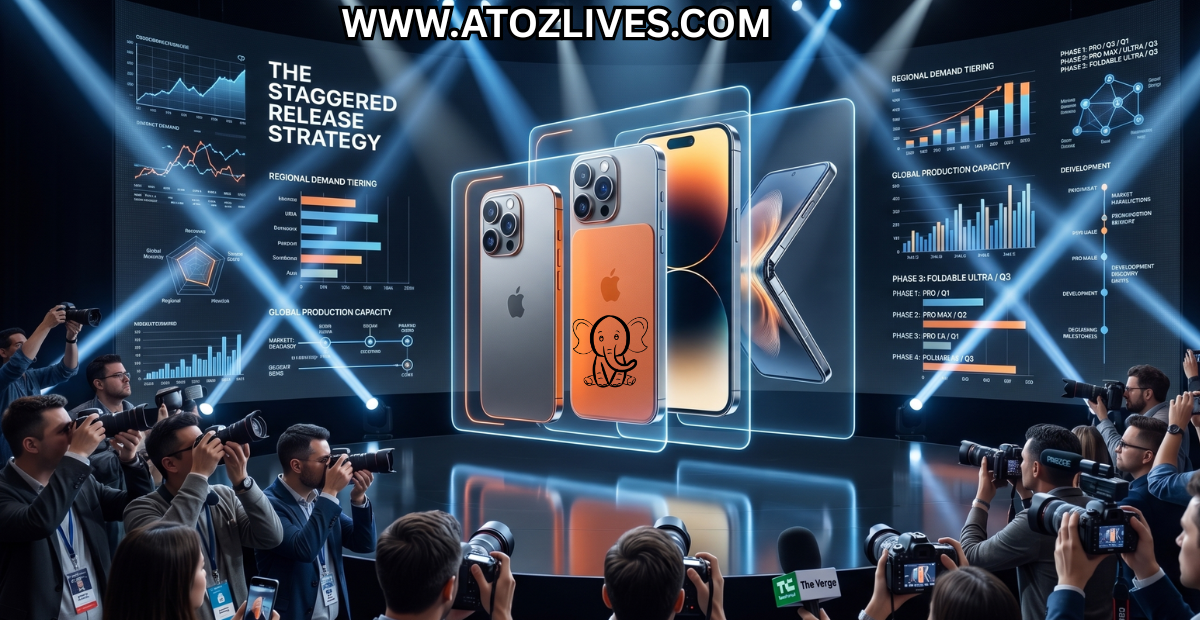
According to industry reports, Apple will still showcase the iPhone 18 Pro, iPhone 18 Pro Max, and possibly a new foldable iPhone Ultra during its traditional autumn keynote.
However, the standard iPhone 18 and its more affordable variants may not arrive until spring 2027, marking a clear division between premium and budget segments.
This staggered approach is seen as a deliberate move to reshape buying behaviour. By launching high-end devices first, Apple effectively pushes early adopters and upgrade-focused customers toward its more expensive Pro lineup during the crucial holiday season.
The absence of a base model at launch could reduce hesitation among buyers who typically wait for the lower-priced option.
Another key advantage of this strategy is extended market visibility. Instead of relying on a single major launch event, Apple could generate two separate waves of global attention—one in fall and another months later in spring.
This keeps the iPhone in headlines for a longer period and helps Apple maintain momentum against Android rivals who already follow staggered release cycles.
The delay of the rumored iPhone Ultra foldable into late Q4 is also viewed as a strategic decision. It gives the iPhone 18 Pro Max a clearer sales window and positions the foldable as a luxury, standalone product during the holiday season, rather than competing directly with other flagship models.
Analysts also suggest internal production considerations may be influencing the change.
A split release allows Apple more flexibility in manufacturing, testing, and supply chain management, especially for newer and more complex devices.
Overall, the iPhone 18 strategy signals a shift from Apple’s traditional “one big launch” model to a more controlled, segmented release cycle—designed to maximize pricing power, extend hype cycles, and reshape how consumers choose their next iPhone.